
 Follow
Table of Contents
- Understanding the Importance of Wellness in Recovery
- Establishing a Structured Daily Routine
- Prioritizing Physical Health
- Nurturing Mental and Emotional Well-being
- Building Healthy Relationships
- Engaging in Meaningful Activities
- Setting Realistic Goals and Celebrating Progress
- Seeking Professional Support When Needed
Embarking on the journey toward recovery is a remarkable achievement—one that involves more than simply overcoming challenges or breaking free from unhealthy patterns. A central piece of sustainable recovery is cultivating habits that promote overall wellness. By implementing a holistic approach and drawing on community resources, such as Foundations, people in recovery can better sustain their progress and enrich their quality of life from the ground up.
Wellness during recovery extends beyond physical health, encompassing mental, emotional, and social well-being. The process of developing routines that target these interconnected spheres of life fosters resilience. It decreases vulnerability to relapse, providing individuals with the tools to thrive and embark on a new chapter of their lives.
This journey is often non-linear, marked by growth, setbacks, and moments of celebration. A structured approach rooted in practical strategies may significantly increase one’s chances for long-term success, equipping each individual to respond confidently as new needs and triggers arise. According to The New York Times Well Guide, everyday habits and social supports are among the strongest determinants of ongoing health.
Understanding the Importance of Wellness in Recovery
Wellness is a multidimensional pursuit, incorporating physical, mental, emotional, and even spiritual health. Each dimension works in concert: strengthening one area boosts others, helping protect against relapse. The Substance Abuse and Mental Health Services Administration (SAMHSA) stresses that people who integrate wellness strategies into their recovery programs report improved daily functioning and fewer setbacks over time.
Establishing a Structured Daily Routine
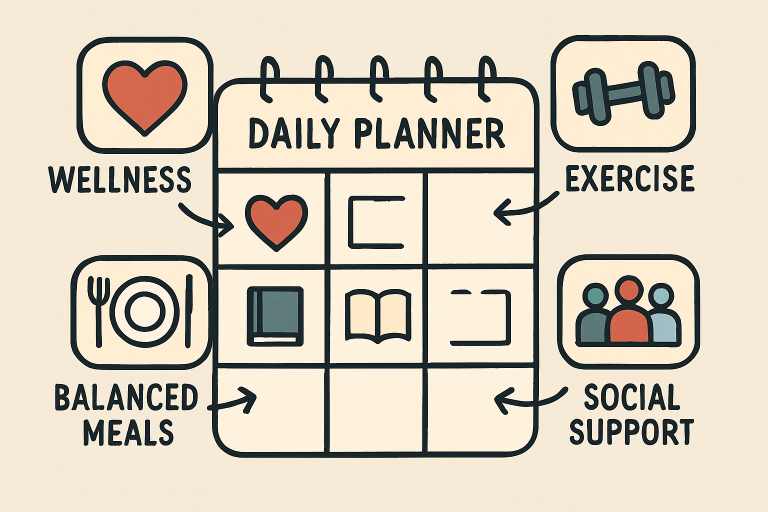
Consistency is the backbone of recovery. Structured routines help diminish chaos and create predictability, which is vital for those seeking stability. Standard components of an effective routine include:
- Maintaining consistent wake-up and bedtime hours
- Organizing daily meals for stable energy
- Allocating time for exercise and self-care
- Dedicated periods for leisure activities or hobbies
- Regular attendance at therapy or peer support groups
These scheduled habits enable the brain and body to reset, manage time more effectively, and support daily healing.
Prioritizing Physical Health
Physical health forms the foundation for overall well-being. Exercise such as brisk walking, yoga, cycling, or swimming can reduce anxiety, improve mood, and foster restful sleep. Consistent physical activity is closely tied to lower relapse rates, with evidence-supported recovery practices underlining its importance. Nutrition also plays a significant role, as balanced meals replenish energy and support the body’s natural healing process. According to the Centers for Disease Control and Prevention, regular physical activity not only helps prevent chronic disease but can also help manage stress and stabilize emotions.
Nurturing Mental and Emotional Well-being
Emotional resiliency is achieved through building practical coping skills and addressing underlying mental health needs. Practicing mindfulness and meditation can increase emotional awareness and shorten distressing episodes. Activities such as journaling, art, or breathing exercises support self-expression, help individuals process emotions, and teach them to respond rather than react to triggers, while also cultivating compassion for themselves. Psychology Today explores additional details about how self-care supports long-term recovery.
Building Healthy Relationships
Recovery is strengthened through connection. Positive, reliable people offer encouragement, practical help, and a listening ear when times are tough. Recovery-focused groups, sober family members, and new friendships within safe environments serve to inspire a sense of shared purpose. Defining healthy boundaries and communicating needs clearly are crucial skills for nurturing supportive relationships and steering clear of negative influences.
Engaging in Meaningful Activities
Purposeful engagement plays a vital role in sustaining recovery by giving structure, meaning, and motivation to daily life. Exploring hobbies or volunteering helps individuals replace time once devoted to harmful behaviors with positive, fulfilling activities. These pursuits encourage the discovery of new talents, strengthen self-worth, and rebuild confidence through consistent progress. Creative outlets such as art or music, along with learning practical skills, provide healthy emotional expression and mental focus. Shared activities also foster social connection, accountability, and a sense of belonging that support lasting growth and overall personal fulfillment.
Setting Realistic Goals and Celebrating Progress
Establishing and tracking personal goals adds motivation and direction to daily life. The SMART framework (Specific, Measurable, Achievable, Relevant, Time-bound) is a helpful model for turning intentions into manageable steps. Acknowledging milestones, even modest ones, builds momentum and reinforces positive patterns. Whether it’s a week of balanced meals, a completed therapy session, or a month without relapse, these successes should be recognized and celebrated.
Seeking Professional Support When Needed
Knowing when to seek expert help is a powerful skill in itself. Professional support offers unbiased guidance, resources for coping with challenging emotions or setbacks, and a structure for ongoing growth. Therapists, counselors, and support groups help individuals identify obstacles, develop tailored recovery strategies, and connect with the broader recovery community. Sometimes, it’s essential to reach out rather than struggle alone.
In conclusion, sustainable recovery is built on the foundation of lasting wellness habits. By integrating daily routines, physical activity, emotional well-being practices, supportive relationships, and purposeful pursuits, individuals can forge a resilient and rewarding future. Drawing on professional support and trusted resources ensures ongoing momentum, helping every person in recovery take confident steps toward a healthier, more meaningful life.
No. of times viewed = 46
